
Zhejiang Robot Industry Association
Zhejiang University Robotics Institute
Golden Conference & Exhibition Group
Hangzhou Wisdom Source Exhibition Co., Ltd.
Hangzhou Sequoia Exhibition Co., Ltd.
Footage of humanoid robots dancing and interacting alongside performers went viral across social media during the 2026 Spring Festival Gala. Beyond the screen, an increasing number of companion‑emotion robots are finding their way into living rooms and bedrooms, even beside the beds of elderly people living alone. In factories, cases of workers being injured by robotic arms are no longer rare. At home, who should rein in those always‑on electronic eyes? As robots capable of walking, speaking and autonomous decision‑making step out of laboratories, onto factory assembly lines and into ordinary households, a question once explored only in science‑fiction films has become a pressing real‑world issue: who bears liability when robots cause physical harm, leak private data, or even make erroneous judgments “on their own”?
2026 marks a clear legislative acceleration in the governance of humanoid robots.
According to publicly available records, Hangzhou implemented China’s first local regulation in this field — Hangzhou Regulations on Promoting the Development of Embodied‑Intelligence Robot Industry — effective May 1, 2026. Comprising 7 chapters and 50 clauses, it provides the first legal definition for “embodied‑intelligence robots”. It also explores inclusive‑prudent models such as regulatory sandboxes to reserve room for trial‑and‑error for emerging technologies. Regulators hereby acknowledge that rapidly‑evolving embodied‑intelligence technologies should not be flat‑out banned. Instead, they should be observed and trialed within controlled boundaries before formal rules are finalized.
Nevertheless, it should be noted that this regulation is essentially an industry‑promotion statute, with its primary focus on supporting industrial growth. Core mechanisms such as tort compensation and liability allocation remain unspecified. Regulations defining concrete behavioral boundaries are being advanced via other instruments. Guidelines for Ethical Safety of Artificial Intelligence Applications (Version 1.0) was released in May 2026. On July 15, 2026, the Interim Measures for the Administration of Anthropomorphic Interactive AI Services came into force. Article 8 lists seven prohibitions, explicitly banning practices that induce users’ emotional attachment or addiction, as well as virtual‑kin and virtual‑companion services targeted at minors.
Meanwhile, as reported by media outlets, the Humanoid Robots‑Full‑Lifecycle Management Specification, published in June 2026, requires a unique digital ID for every robot. This addresses the long‑standing challenge of ambiguous multi‑party accountability and lack of traceable evidence after safety incidents at source.
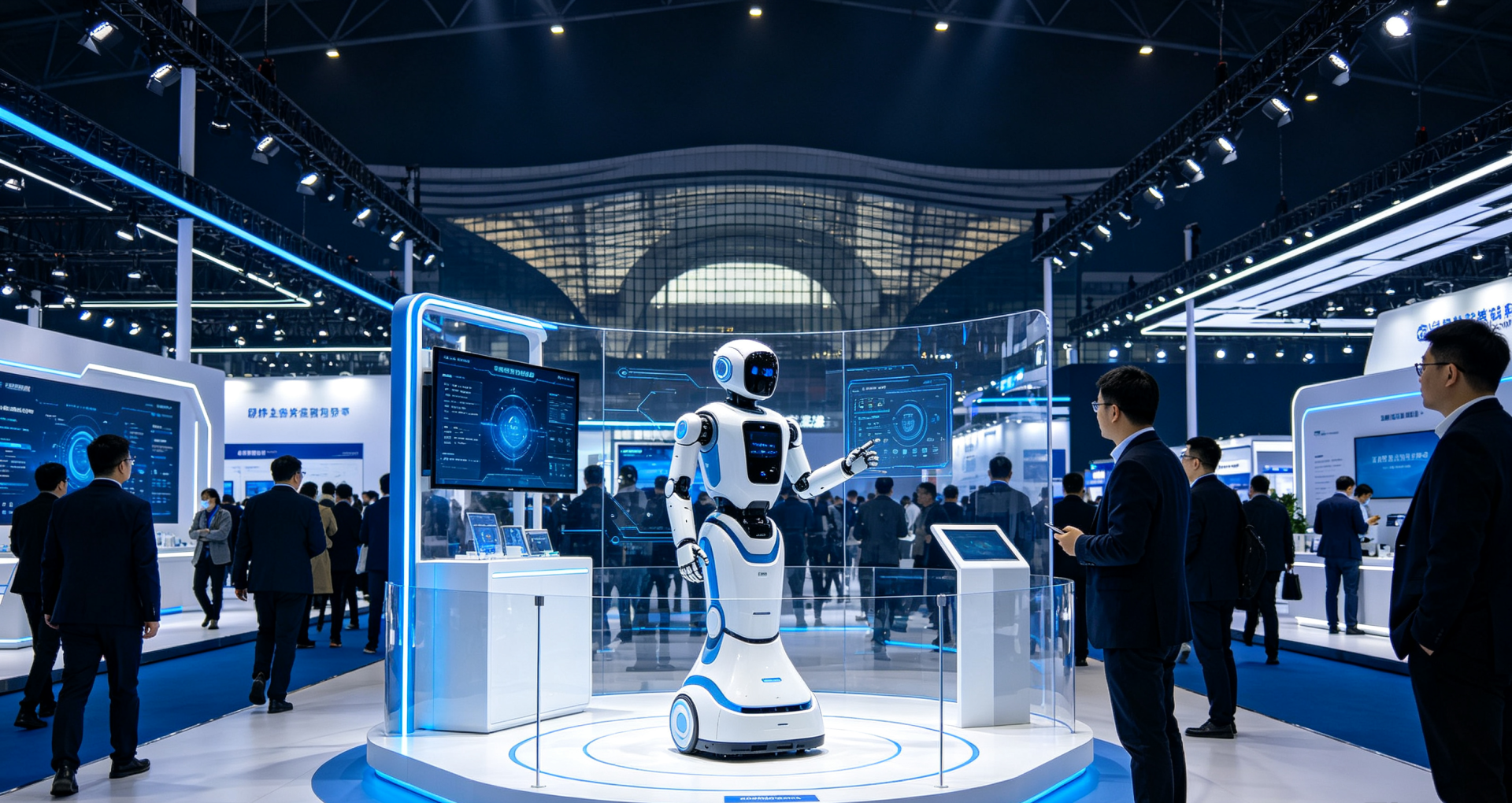
The current Civil Code of the People’s Republic of China only stipulates conventional product liability: manufacturers and sellers shall be held liable when defective products cause damages. However, when autonomous‑decision‑making robots deviate from pre‑programmed instructions and take actions based on real‑world environmental judgments, the existing legal framework falls short, leaving an unaddressed legal gap.
According to proposals submitted by the Jiu San Society, tiered and categorized liability rules for “robot‑inflicted harm” may be explored. General product liability applies to low‑risk scenarios such as industrial settings; presumption‑of‑fault liability is adopted for medium‑risk scenarios including healthcare and elderly care; no‑fault liability shall be implemented for high‑risk use cases like security and military applications. The proposal also advocates a dual‑layer safeguard combining compulsory liability insurance and industry compensation funds, ensuring victims can identify responsible parties and secure compensation. Notably, this academic proposition is moving into policy deliberations. Its implementation timeline will directly determine whether humanoid robots can be widely deployed in medium‑to‑high‑risk sectors such as medical and senior care. Clearer liability demarcations will in turn embolden industrial innovation.
Compared with tangible physical injuries, invisible data risks deserve greater vigilance. Emotion‑companion robots operate continuously within private domestic environments, conducting all‑round collection of visual, audio and even tactile data, with poorly‑defined data boundaries. A companion robot stationed in bedrooms can, in a sense, know more about users and intrude further into personal privacy than smartphones. In particular, tactile data can reconstruct highly sensitive information including human postures and health conditions. Leakage or misuse of such data would trigger far‑reaching consequences beyond ordinary privacy infringements.
Industry consensus calls for minimizing unnecessary data collection by default, equipping physical emergency stop hardware, enabling one‑click deactivation for cameras and microphones, plus dedicated protective settings for minors and the elderly. Security should not be treated as post‑incident remediation, but built‑in as a baseline requirement at the manufacturing stage.
Historically, tech governance largely relied on ex‑post accountability: responsible parties are identified only after harm and losses occur. Yet the autonomous nature of robots means post‑incident liability pursuit often comes too late.
A superior approach is to embed safety and ethics into every R&D and manufacturing link in advance. Full‑lifecycle digital IDs enable traceability; tiered liability frameworks set clear expectations; disable‑able sensors and emergency‑stop hardware secure fundamental safeguards. For instance, when a home care robot detects anomalies indoors, end‑users should be able to physically cut off its data acquisition and locomotion capabilities, rather than relying solely on remote software switches. Governance is not about applying brakes to innovation; it lays trustworthy tracks for industrial advancement.
Only when the boundaries of safety, accountability and compliance are progressively clarified can humanoid robots evolve from functional tools into trustworthy partners. From December 9‑11, 2026, HRIE 2026 Shanghai International Humanoid Robot & Full‑Robot‑Industry‑Chain Exhibition will be hosted at the Shanghai National Exhibition and Convention Center (SNIEC). Attendees may gain first‑hand insights into safety‑compliance technologies and multi‑scenario application demos, witnessing how “trustworthy robots” are being built in practice.